Programme Key Pointsline
Programme Highlightsline

Industry-Endorsed Curriculum
Co-designed with industry experts to ensure 100% job-ready skills—meeting the needs of a global cybersecurity workforce.
Expert Mentorship
Get 1:1 support from active professionals and faculty.
Flexible & Online
100% online format—ideal for working professionals.
Programme Overviewline
The Master of Science in Cybersecurity at Birchwood University is an 18-month program designed for individuals with a tech background aiming for leadership roles in cybersecurity. The curriculum blends technical expertise with essential knowledge of policy, compliance and legal aspects, preparing students to combat modern cyber threats effectively.
Key topics include network security, digital forensics, cryptography, secure software engineering and cyber audits, all reinforced through hands-on labs and real-world simulations.
Graduates will:
- Protect systems against cyberattacks using ethical hacking and advanced defence techniques.
- Identify, analyze and mitigate security threats across networks and infrastructures.
- Apply legal and ethical frameworks in cybersecurity decisions.
- Communicate complex technical issues to diverse stakeholders.
- Maintain secure system operations despite risks and evolving threats.
The program balances deep technical acumen with policy-driven insight—producing professionals ready to step into high-demand roles and handle the dynamic challenges of cybersecurity.
Syllabus
The Master of Science in Cybersecurity degree provides an extensive study of essential cybersecurity principles and methods. Here is an overview of the primary courses:
- MCS500: Networking and Kali Linux (3 credit hours):
Introduction to networking principles and hands-on security testing using Kali Linux.
- MCS505: Networking Concept and Kali Linux (3 credit hours):
Builds foundational networking knowledge with practical exposure to penetration tools.
- MCS510: Kali Linux for Hacking (3 credit hours):
Focused training in ethical hacking using Kali Linux and its specialized toolsets.
- MCS515: Concepts of Hacking (3 credit hours):
Explores core theories and methodologies behind modern cyberattacks.
- MCS520: Engineering Hacking (3 credit hours):
Deep dive into advanced hacking techniques and system exploitation strategies.
- MCS525: Internet of Things and Cryptography (3 credit hours):
Examines IoT vulnerabilities and cryptographic methods for securing connected devices.
- MCS530: Forensic Computing (3 credit hours):
Covers digital forensics techniques for identifying, preserving and analyzing cyber evidence.
- MCS535: Application and Device Control (3 credit hours):
Teaches how to manage and secure applications and endpoint devices from threats.
- MCS540: Administration and Audits (6 credit hours):
Prepares students with skills to administer systems and perform cybersecurity audits.
- MCS545: Capstone Project (6 credit hours):
A final practical project synthesizing all learning to solve challenges pertaining to the cybersecurity field.
Master of Science in Cybersecurity


Career Opportunities
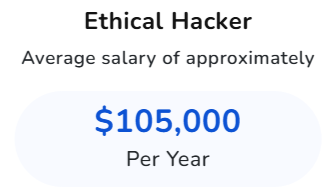
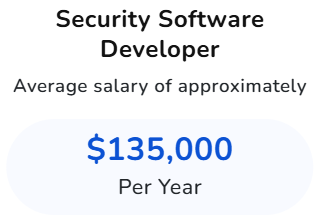
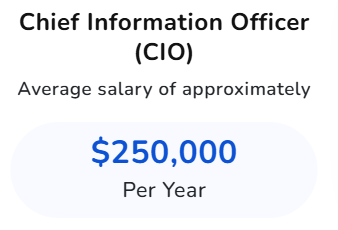
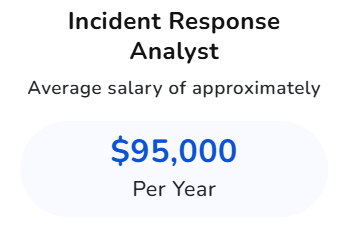
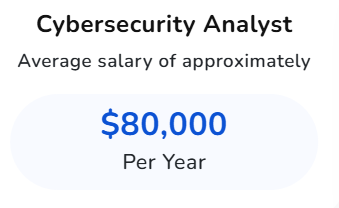
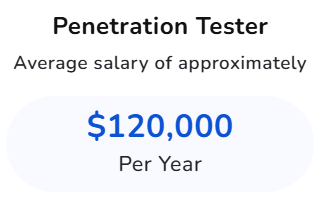
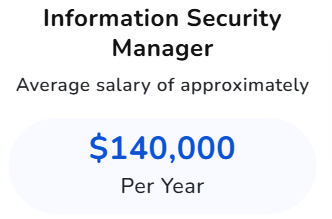
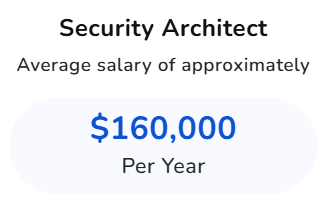
For students completing Master of Science in Cybersecurity, there are a plethora of opportunities awaiting. Here’s a list of top career roles that you can lookout for after doing this programme from Birchwood University: